The Board: An Underrated Growth Engine
Henriette Thomsen realized her emotionally invested family business had become too bogged down in day-to-day operations. For family businesses, acknowledging that emotional ties to company history can stifle bold, future-oriented decisions is a difficult but necessary exercise.
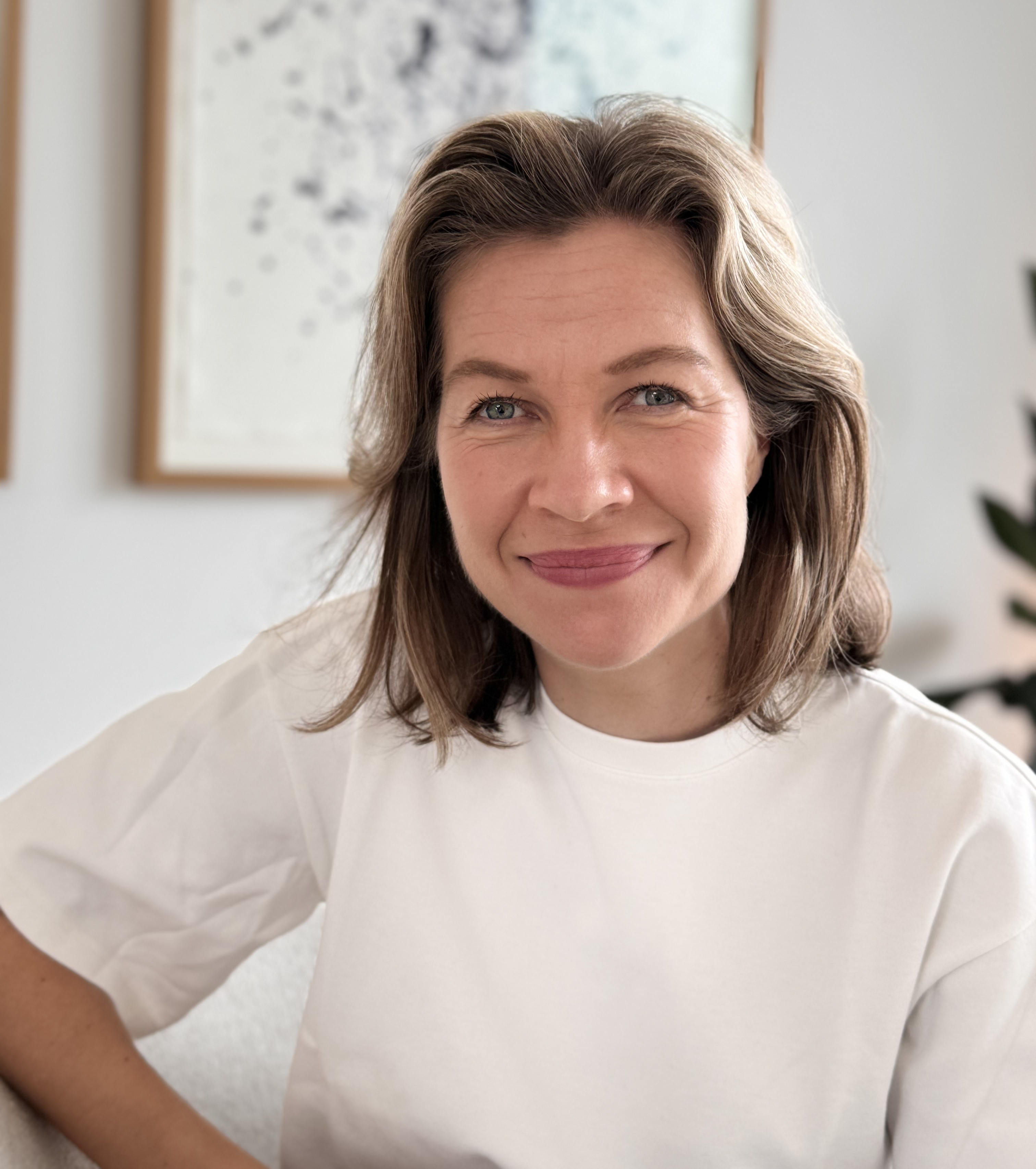
– When we discussed Christmas wrapping paper at the board meeting, we realized we had to take action.
Henriette Thomsen found that an emotionally invested family business had become too focused on operations in its board meetings. Or as she puts it: They were too deep in the weeds. The threshold for new thinking was high, but today she has no doubt it was worth it.
For family businesses, it is a difficult but essential exercise to recognize that an emotional attachment to the company's history can stifle the ability to make bold, forward-looking decisions. Pride in the company's history can risk becoming a ball and chain if it stands in the way of new thinking.
Henriette Thomsen and the Thomsen Group – the family conglomerate where she is both a co-owner and board member – learned this the hard way. The retail market they were part of became increasingly tight, and by 2017, it was barely sustainable. The family business had four family members on the board: two from the older generation, and Henriette and her cousin.
– We realized we were standing on a burning platform, so to speak.
They had to accept that they were thinking too much with their hearts. And that it was no longer working. The difficulties in the interior design market and retail operations, which had been the heart of the business since it started in 1904, began to drain the rest of the group.
– Yes, we saw that it was starting to affect the professional kitchen and corporate market, which in many ways is the backbone of our company. It was really a somewhat forced self-realization that was necessary.
From having five stores in the Bergen area, the group reduced the number until 2021. Today, they have one store left. On the other hand, they have grown in the professional kitchen market.
Board Meetings Weighed Down by Operations and Details
If you ask her where it became clearest that something had to be done, she points to the board meetings.
– Our board meetings were too focused on details. Instead of lifting our gaze to see the big picture, instead of looking at opportunities and challenges, we got too deep in the weeds. At one point, we were sitting there discussing the design of this year's Christmas wrapping paper.
Henriette Thomsen laughs, but quickly turns serious. Because turning a ship that has sailed steadily for well over 120 years was no small feat. Quite the opposite, in fact.
– In my view, a good board can be a decisive factor for a company's development and growth. But to achieve that, you must be able—and not least: dare!—to leverage the board and its composition.
Fact Box: How to Shift Focus from Operations to Growth:
Here are Henriette Thomsen's three tips for turning the board's ship around.
- Acknowledge your own weaknesses: The most liberating action is to self-reflect and admit that the existing expertise is not sufficient.
- Bring in relevant counterweights: Recruit external members who dare to challenge, have the expertise the company needs, and also have good chemistry and trust with the management.
- Digital utility: Utilize digital tools to empower board members by making relevant information accessible.
The External Catalyst Who Turned the Ship Around
The first practical step Henriette Thomsen and her family took was to bring in more external expertise. They needed more financial strategy competence to assist them in the challenging situation they were in. With two generations on the board, it was a complex landscape, but they agreed they lacked expertise and needed 'fresh eyes.' They reached out to their own network to find someone who not only had the right skills but also the right personality.
– You must have had high standards for a new, external board member?
– Yes. It had to be someone with whom we could have good chemistry and trust. On a board, you need to have tough discussions, but you also need members who will challenge you.
The new board member came in. And he quickly became the catalyst that accelerated what the Thomsen family knew they had to do but had found challenging to implement. With his financial background, he quickly saw that the family group was playing a game that couldn't last.
– He came in and said... 'What on earth are you doing?' He pointed to the numbers and concluded that they didn't add up.
– How did the older generation on the board handle the newcomer?
– He represented a tough transition, but luckily they were good sports and dared to be challenged. What we had already tried hadn't worked. We had to look at it differently. The question we all agreed to answer was: What is best for the company right now?
The Board as an Underrated Growth Engine
For SMBs, the board is the most cost-effective way to access critical expertise that would otherwise be too expensive, believes Henriette Thomsen. Since the tough times in 2017, the family business has been on what she calls a long journey of change.
The biggest difference in how they work on the board now is that they have become more professional. Today, the family group has two external board members and experiences good dynamics and interaction.
– My experience is that a good board is not a board that just follows along. It's a board that is engaged. That challenges. That supports—and is able to help set the direction. The decisions we make as a board now feel bolder. And they are more thoroughly prepared. We have become more conscious of the board's composition over time.
– Have there been any positive surprises in this difficult process?
– What stands out to me is that a board must dare to acknowledge its own weaknesses. Both as a business owner and a board member, you have to do some self-reflection. Making such acknowledgments is, I believe, the most liberating thing you can do.
She says that for companies in the SMB market, where the family group operates, the board is a critical resource.
– If you are able to invest in your board, it can turn out to be the most underrated growth engine for the company, she says.
The reason is actually simple. Resources are often limited, both financially and in terms of expertise. In this context, Henriette Thomsen sees the obvious value of digital board tools. And here, Henriette Thomsen admits that although they have come a long way, they are not quite there yet.
– I probably have to say that we still have a way to go. But I already see great utility in digital tools that can empower board members. Such tools should strengthen board members in areas outside their core expertise. It then becomes even more important to make relevant information accessible, so the threshold for contributing is lower.
– If you were to give one piece of advice to another board, what would it be?
Henriette Thomsen thinks for a moment. Then she says:
– Start by taking stock and doing an honest self-assessment. What are you missing to move forward? Think of the board as a strategic resource, not a checkpoint. External board members can be the investment that makes everything else possible, because you get expertise around the table that you wouldn't have been able to hire full-time.