Many Norwegian Leaders Get Operational Tunnel Vision
Investor Johnny Rindahl has sat on both sides of the table. He believes the biggest challenge in Norwegian boardrooms is that too few chairs help leaders come up for air, which is especially important in an era of turmoil and artificial intelligence.
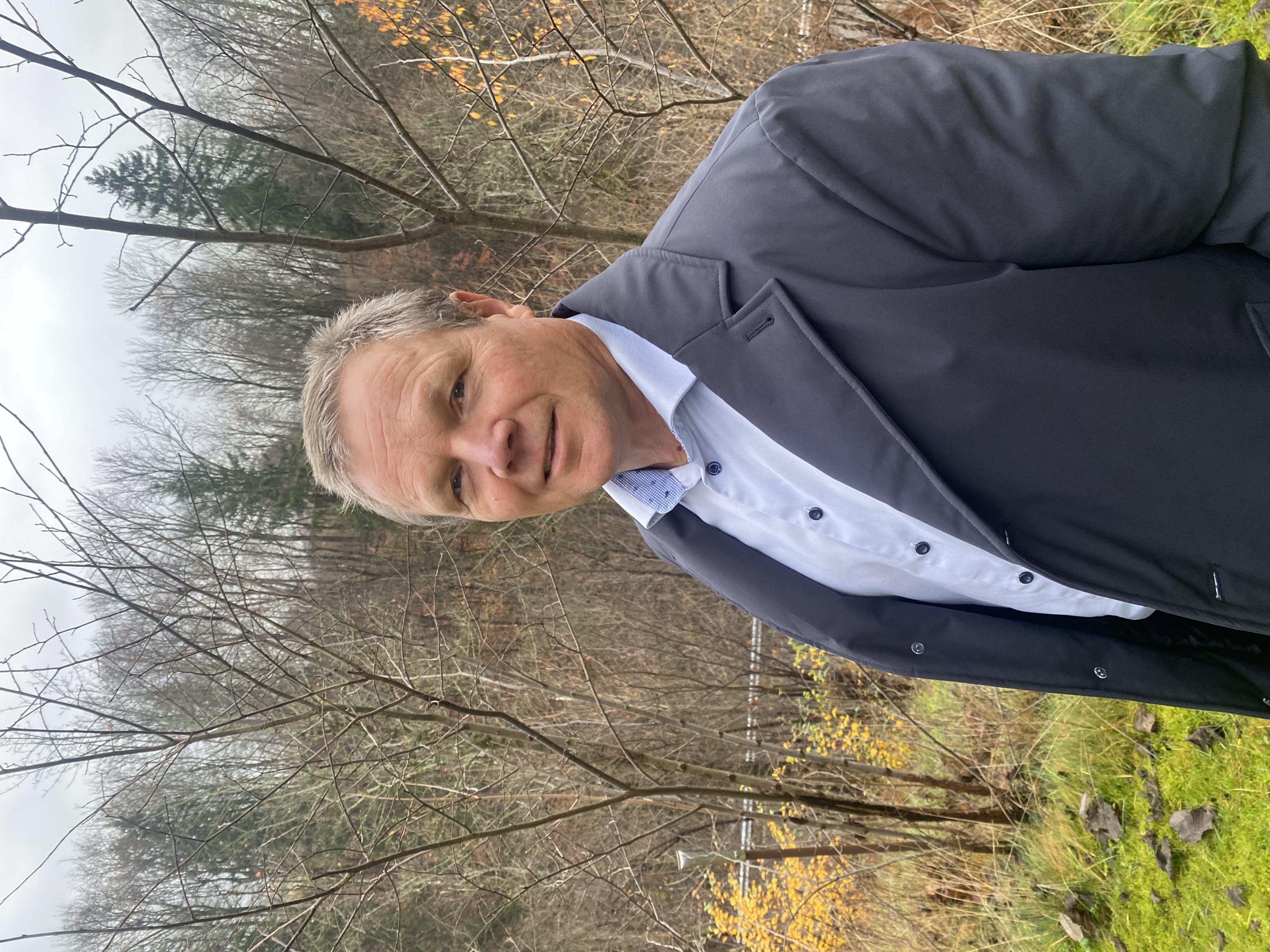
That management occasionally gets tunnel vision is perhaps nothing new. But according to investor and chairman Johnny Rindahl of Ventus Capital, it's more risky today than ever before. We are in a world of great change, with ripple effects extending far into the stock market. Add artificial intelligence making its entrance on all fronts, and the chaos begins to look like dense fog in the Norwegian mountains.
- What worked yesterday might prove to be irrelevant tomorrow, says Johnny Rindahl.
He has extensive experience from both leadership roles and board positions, and knows how quickly a CEO can lose the strategic overview.
- What often happens in a company is that you get what I call operational tunnel vision. I've noticed it myself. When you step into an administrative leadership role, you quickly get sucked into the operational details. It happens automatically.
The investor points to AI specifically as an uncertain factor that makes the danger particularly acute.
- There are enormous forces at play when it comes to AI. Ideally, as a leader, you should be both tactical and strategic, but it's easy to lose the overview. This is where the board, being a bit removed from the operational side, can contribute, Rindahl believes, pointing out:
- You might be doing many things right, but are you necessarily doing the right things?
In other words, Rindahl is making a case for the board's function being more than just ensuring the company complies with its required rules and laws.
- Board work has given regulatory requirements. And it's important to comply with all formal requirements. But just as important as such a supervisory role is for the board to also be a sparring partner for the company's administration. The chair must act as a coach. To achieve this, it's crucial that the tools meant to structure the formal part make it easier to manage. And it's also important that the board establishes a culture of openness.
Two Concrete Tips to Break Tunnel Vision
But Rindahl doesn't just talk about this; he does something about it. In a very tangible way. He points to two concrete but unusual tools he uses to ensure strategic concerns are brought to the table immediately.
- It's a trick I learned many years ago from a former chairman. Every time I join a new board, I require the leader to bring one slide to every single board meeting.
- And what should be on it?
- Pleasures and worries.
- Pleasures and worries?
- Yes. Here, the CEO should state what they are worried about. In prose form. It doesn't need to be extremely detailed. What are they concerned about? It could be a market situation, a resource challenge, anything. What's under pleasures should be: What is the CEO happy about? What is good in and for the company right now? How have things been resolved since the last board meeting?
- That sounds like a really good idea?
- It works. And of course: if there are any major concerns, there's also an expectation that the person has some idea of how to solve them. Is financing needed? Are new employees needed? And so on. Having such a slide allows the board to quickly get inside the CEO's head.
The slide acts as a remedy to prevent the entire board meeting from passing by, only for the CEO to mention a concern right at the very end.
- Yes, because by then the meeting is over, right? It's much better to get the worries up front.
The second piece of advice is to introduce a discussion within the board about the board, after the meeting is formally over. That is, without the CEO.
- I almost always set aside five to ten minutes after each board meeting, where only the board members gather to discuss. To have a review without management present. This evaluation can be used to assess both the management and the board's function in the company.
- But does the CEO find out what you conclude here?
- Yes, I go back to the CEO with a summary. It's important that the leader doesn't feel left out in the hallway!
When the Dev Department Grows and No One Asks Why
The consequences of tunnel vision are not just mental. They embed themselves in the organization and in the financial statements. Rindahl provides a concrete example from a company he has worked with.
- We went from the company having 78 developers to just ten in only four years. Without production declining.
- Wow!
- Yes. It says a lot. When the board doesn't ask questions, and management is trapped in day-to-day operations, you get these kinds of imbalances. You get departments that grow uncritically because no one stops to ask: 'What are we actually getting in return for this?' Or it could be that the development department remains the same size, even when production is finished. It's a typical trap to fall into when everyone is looking down at their own tasks.
Rindahl believes that we here in Norway are particularly vulnerable to this situation.
- We're a bit like that in Norway; we like to be completely finished with something before we start selling it. We want the last ten percent in place before we take the product to the customers. Such a mindset is not only often very expensive, it's also unnecessary. It's a cultural reflex we can do something about.
Here he points to American companies, which are almost the complete opposite. There, they start ringing doorbells long before the product is finished.
- They build just enough, and then it's all about getting out into the market. We are a bit too cautious about going out and knocking doors.
Rindahl's Three Tools Against Tunnel Vision
- 1. Start with openness. Require the CEO to present a Pleasures and Worries slide at the beginning of each meeting.
- 2. Let the board work between meetings. Make the board meeting a strategic space, not a reporting hour. Involve key personnel from the company.
- 3. Evaluate the CEO and the board itself. Hold an internal board discussion after each meeting. What worked? What needs to be adjusted? Always go back to the CEO with a summary.
A Chair Shouldn't Just Lead Meetings
Johnny Rindahl says that much of the most important board work happens between board meetings. But at the same time, many boards do not utilize that time as they should.
- It's absolutely true that the most important work happens between board meetings. Many boards function as a presentation arena. Management shows 35 slides. The board nods. Done. But the best boards bring opportunities, open doors, find partners, and challenge mindsets. That's how you can truly create value.
Another piece of advice he highlights is that the CFO should be the one presenting the numbers at board meetings. Not the CEO.
- A CEO should of course know the numbers, but it's a matter of role allocation. If the person responsible for finance presents the figures, the board can go through them with that person. It's a good test: Is the finance manager in control? But it also ensures a good flow. Because then the CEO can focus on all the other important things.
Rindahl also emphasizes the importance of highlighting key people in the organization.
- It's important that people in the company get to have their say. If you have a technical solution, for example within AI which is super relevant for everyone right now, invite the technical manager or development manager to update the board. Run a presentation for the board, or a demo of products. This way, the board gets a closer relationship with both the technology and the specific solutions.
He gives a wry smile.
- I've been on boards where the meeting started with the following question from a board member to the CEO: 'So, what is it you guys actually do?' You've already lost before you've even begun.
When Your Network Decides Who Runs the Company
Johnny Rindahl says that for too many companies, the board is often filled with people from the CEO's network. This is especially true in startups. It's understandable, but also problematic.
- It's very rare in a board context that I experience us having a role description and an alignment of expectations for the experience a new board member should have. This is always done when hiring a new manager, but not with board members. Then it often becomes a bit random who ends up on the board.
- That doesn't sound very smart?
- No, many don't spend enough time assembling a board with diverse skills and experiences. It's easier to go to your network, because then you know what you're getting. It's safe and comfortable. But how good is that for the company and what the company actually needs to achieve?
Another thing Rindahl highlights is the board's age composition. Many companies today have customers in their 30s. Few boards are composed in a way that reflects this.
- If you bring a 30-year-old onto the board, they will clearly represent new generations of customers in a completely different way. Therefore, board composition can't just be about experience. It must reflect different perspectives. You need people in the room who actually understand how a 30-year-old thinks.
Rindahl takes a breath before continuing.
- It's about having a clear expectation for everyone on your board. They must use their competence. Not just their CV. A board member isn't there to watch. They are there to contribute.