- Boardmembers Must Be Driven by Curiosity, Not Ego
Whether Marianne Bratt Ricketts has been building companies, lifestyle magazines, or ski schools in the Alps, she has been driven by curiosity. She has a stated aversion to board meetings that become tedious PowerPoint parades. That's where strategies go to die.
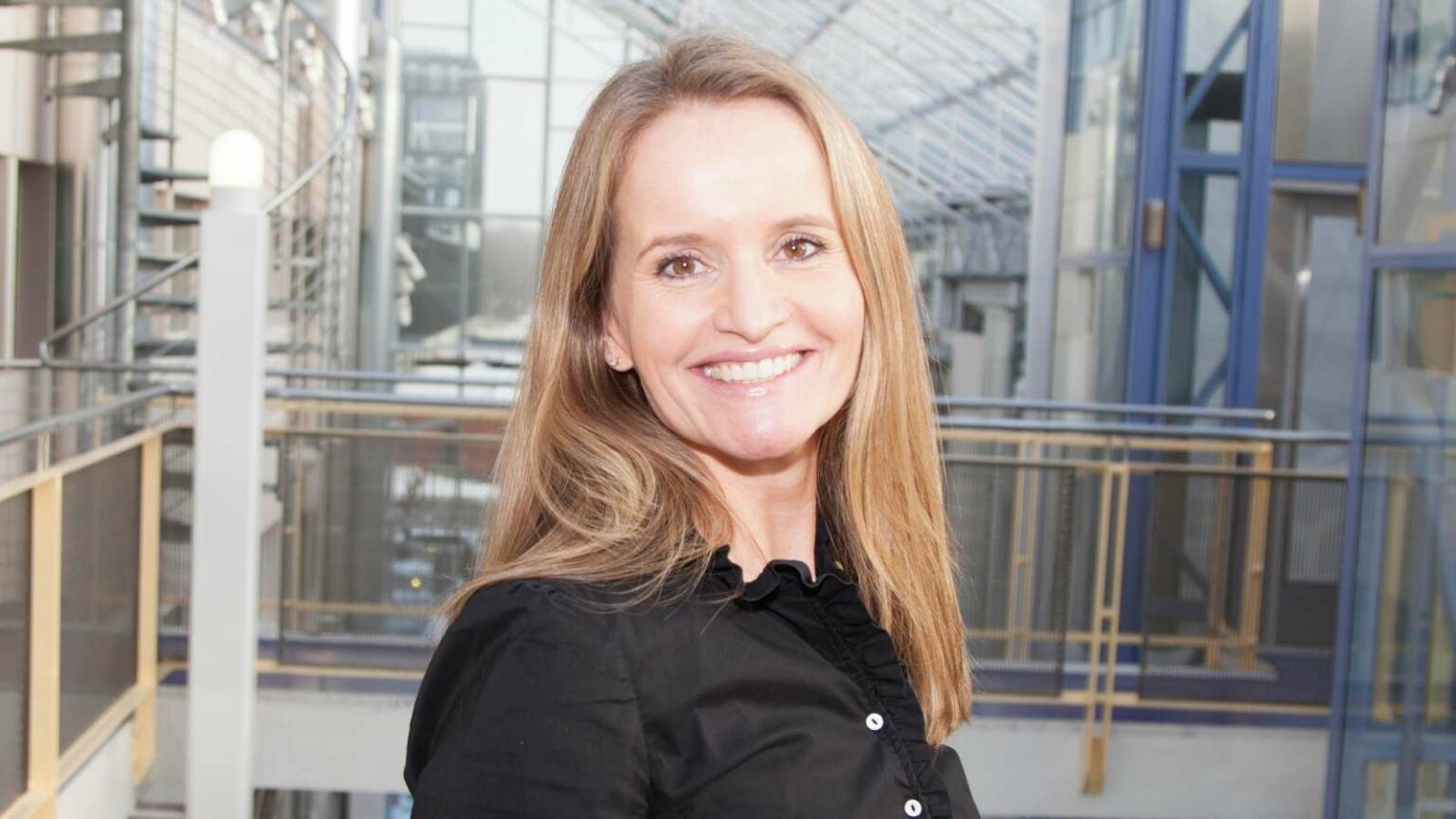
'Board work can quickly become a situation where the blind lead the blind.'
Yes, it can get that bad if all the promises of 'data-driven decisions' remain empty words and are not put into practice, according to Marianne Bratt Ricketts. When the chairperson and the CEO allow board meetings to become reporting sessions, you can be sure of one thing: It kills curiosity. And with it, the real contribution from the board disappears.
Marianne Bratt Ricketts has a background unlike many in Norwegian business. From building ski schools in the Alps to founding the video startup Vibbio, via the high-end lifestyle magazine Feelgood, she has been involved in many different things. Her simple life philosophy—at least in name—has guided her all the way: You have to dare to try something. You have to trust the process.
Today, she works as Head of Operations at Dentsu Strategy.
'My career hasn't been... strategic,' she says with a smile. 'It has been more about: What haven't I done before?'
This continuous search for new understanding and new opportunities has been her driving force. But when she turns her attention to board work in Norway, the lack of this principle is the first thing she sees.
'What stops Norwegian boards from making quality decisions is a mix of several things. Lack of focus. Lack of real expertise in the areas the company actually needs. And not least: a shortage of time. Then board meetings quickly turn into reporting meetings. And... there are few things I hate more than reporting meetings.'
'You've written that curiosity is your most important driving force. How much room does it get in board meetings that resemble archive reviews?'
'None. Everyone needs a brief status update, but if a full report has been sent beforehand, the time in the room should be spent on the main problem that needs to be solved. Financial. Technical. Commercial. That's where the value of different minds thinking aloud together lies.'
Is the Board Data-Driven or Ego-Driven?
Bratt Ricketts hates the feeling of sitting passively like a school student, watching mind-numbingly boring PowerPoints that everyone should have read beforehand. Instead of data-driven decisions, she says, the work in many Norwegian boards is driven by something else entirely.
'Guesswork, gut feelings, and ego,' says Marianne Bratt Ricketts, adding that investors in particular, who often want a board seat as a result of their willingness to invest, can be a burden.
'Investors often join the board, and you have to manage them. They often lack specialized expertise in an area the company needs. In return, they have an incredible number of opinions! You can quickly end up in a situation where 'the blind is leading the blind'.'
'What do you mean?'
'That you get a situation where advice comes from board members who don't really know what's best. Those who talk the loudest and take up the most space don't necessarily align with what is right or important for the company.'
'You say you believe the board is often seen as a necessary evil in the startup world?'
'- Yes, and at the same time, the CEO and founders have given up more control than they realized. You have to be clear about why these specific people are on the board. What skill gaps do they fill? Networking alone is not enough to create a good board.'
Digital Chaos Must Be Replaced with System
When a company isn't set up to make data easily accessible, someone hasn't done their job, believes Marianne Bratt Ricketts. It's important to create a tech stack that is actually used. Then the question is whether it can go too far in the other direction? That the board hesitates to make decisions because they want to wait for 'the perfect data'.
'Yes, that's right. That's why you need good housekeeping. Transparency around operations and execution. Access to data where people are. I believe board members should be treated as users in the same workflow. Tag them on specific datasets. Do demos and how-tos, and remove emails from the process!'
'Hehe, remove emails completely?'
'Yes, emails shouldn't be part of a process. As soon as a process is initiated, it should be moved to a dedicated tool, so everyone has one place to deal with progress, objectives, and everything else. That's my dream. That way, people won't have to search around for the information they need.'
Fact Box: How the Chairperson Must Build Trust:
Serial entrepreneur Marianne Bratt Ricketts' three good pieces of advice for building a board where trust—and not egos—sets the course.
- 'Skills matrix': Assemble the board based on a desired map of necessary expertise, so everyone knows their specific role.
- Culture of honesty: Make it legitimate to say, 'This is far outside my area of expertise,' without any expectations being attached.
- Pride: Establish trust by ensuring board members feel seen and heard, and feel proud to be the company's go-to person in their field.
The Risk of Mixing Corporate and Startup Minds
Marianne Bratt Ricketts has experience from several camps: She has served and currently serves on boards, she has been a founder—and she works with strategy. She has previously described the latter this way: 'Strategy is what happens when reality punches you in the face.'
A common mistake, she says, is mixing board members from established companies with startup boards. That causes problems, because the risk profile in a growth company is almost the complete opposite of the risk profile of a company that has been in the game for a long time.
'Corporate people have completely different ideas about what risk is and what good growth looks like. A startup aiming for the desired rocket growth often has to accept significant losses to stay ahead of the market. To capture a large enough share of the market's momentum.'
If an experienced board veteran sees such a strategy, they often react with disbelief, according to Bratt Ricketts.
'Yes, definitely. They think you're completely, stark raving mad! This is because they have two widely different worldviews. The goal must be for board members, regardless of background, to agree on what the right truth is for this particular company's lifecycle.'
'It sounds nice when you say they have to meet in the middle, but do you have any ground rules for how to achieve something like that in practice?'
'If you don't manage expectations early on, the board becomes a brake on the company. Corporate people need to dive into the startup soup and understand that much is built without a definitive answer. At the same time, it's equally true that the moment you need to raise external capital and take it to the next level, you must master the art of tuning Excel sheets correctly and speak competently about the path to becoming a solid ship.'
Tools, Habits – and the Will to Change
'Can digital board tools solve some of the frustration you describe?'
'Absolutely. People are busy. Processes must be streamlined, everything must lead back to a single source of truth, and email shouldn't be the carrier of critical documents. Notifications where you are—no matter where that is—and simple digital signing, version control, and so on. All these tools are important. But...'
Here, Marianne Bratt Ricketts raises a warning finger.
'The most important thing is habit. Many people do what they've always done. The problem is that such an attitude is a very poor fit for the massive shift the world is currently undergoing. A shift that is accelerating.'
It's as if the word culture hovers at the edge of what she's saying. And that can be easier said than done. Marianne Bratt Ricketts nods in recognition.
'Building a clear skills matrix from the start, where you clarify: Why these specific minds? What role do they play? That's important, along with a meeting leader who utilizes their specialized skills while also making it safe for board members to say: I don't know this. Then curiosity enters the room—and the quality goes up! The last point is crucial: Board members must be allowed to feel their own curiosity. Not just their own ego.'